Transformer 1 In Hindi In Small Size
Construction of Potential TransformerThe potential transformer is made with high-quality core operating at low flux density so that the magnetising current is small. The terminal of the transformer should be designed so that the variation of the voltage ratio with load is minimum and the phase shift between the input and output voltage is also minimum.The primary winding has a large number of turns, and the secondary winding has a much small number of turns. For reducing the leakage reactance, the co-axial winding is used in the potential transformer. The insulation cost is also reduced by dividing the primary winding into the sections which reduced the insulation between the layers.
Potential Transformer (PT) Definition – The potential transformer may be defined as an instrument transformer used for the transformation of voltage from a higher value to the lower value. This transformer step down the voltage to a safe limit value which can be easily measured by the ordinary low voltage instrument like a voltmeter, wattmeter and watt-hour meters, etc.
Connection of Potential TransformerThe potential transformer is connected in parallel with the circuit. The primary windings of the potential transformer are directly connected to the power circuit whose voltage is to be measured. The secondary terminals of the potential transformer are connected to the measuring instrument like the voltmeter, wattmeter, etc.The secondary windings of the potential transformer are magnetically coupled through the magnetic circuit of the primary windings.The primary terminal of the transformer is rated for 400V to several thousand volts, and the secondary terminal is always rated for 400V. The ratio of the primary voltage to the secondary voltage is termed as transformation ratio or turn ratio. Types of Potential TransformerThe potential transformer is mainly classified into two types, i.e., the conventional wound types (electromagnetic types) and the capacitor voltage potential transformers.Conventional wound type transformer is very expensive because of the requirement of the insulations.Capacitor potential transformer is a combination of capacitor potential divider and a magnetic potential transformer of relatively small ratio.The circuit diagram of the capacitor potential transformer is shown in the figure below.

The stack of high voltage capacitor from the potential divider, the capacitors of two sections become C 1 and C 2, and the Z is the burden.The voltage applied to the primary of the intermediate transformer is usually of the order 10kV. Both the potential divider and the intermediate transformer have the ratio and insulation requirement which are suitable for economical construction. The intermediate transformer must be of very small ratio error, and phase angle gives the satisfactory performance of the complete unit. The secondary terminal voltage is given by the formula shown below.Ratio and Phase Angle Errors of Potential TransformerIn an ideal potential transformer, the primary and the secondary voltage is exactly proportional to the primary voltage and exactly in phase opposition. But this cannot be achieved practically due to the primary and secondary voltage drops.
Construction of Potential TransformerThe potential transformer is made with high-quality core operating at low flux density so that the magnetising current is small. The terminal of the transformer should be designed so that the variation of the voltage ratio with load is minimum and the phase shift between the input and output voltage is also minimum.The primary winding has a large number of turns, and the secondary winding has a much small number of turns. For reducing the leakage reactance, the co-axial winding is used in the potential transformer. The insulation cost is also reduced by dividing the primary winding into the sections which reduced the insulation between the layers. Connection of Potential TransformerThe potential transformer is connected in parallel with the circuit. The primary windings of the potential transformer are directly connected to the power circuit whose voltage is to be measured.
Transformer Turns Per Volt Calculation
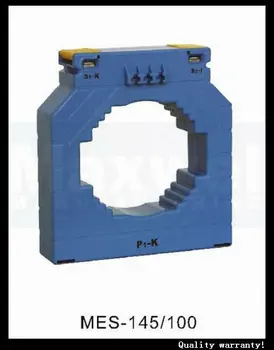
Transformer 1 In Hindi In Small Size Youtube
The secondary terminals of the potential transformer are connected to the measuring instrument like the voltmeter, wattmeter, etc.The secondary windings of the potential transformer are magnetically coupled through the magnetic circuit of the primary windings.The primary terminal of the transformer is rated for 400V to several thousand volts, and the secondary terminal is always rated for 400V. The ratio of the primary voltage to the secondary voltage is termed as transformation ratio or turn ratio. Types of Potential TransformerThe potential transformer is mainly classified into two types, i.e., the conventional wound types (electromagnetic types) and the capacitor voltage potential transformers.Conventional wound type transformer is very expensive because of the requirement of the insulations.Capacitor potential transformer is a combination of capacitor potential divider and a magnetic potential transformer of relatively small ratio.The circuit diagram of the capacitor potential transformer is shown in the figure below. The stack of high voltage capacitor from the potential divider, the capacitors of two sections become C 1 and C 2, and the Z is the burden.The voltage applied to the primary of the intermediate transformer is usually of the order 10kV.
Both the potential divider and the intermediate transformer have the ratio and insulation requirement which are suitable for economical construction. The intermediate transformer must be of very small ratio error, and phase angle gives the satisfactory performance of the complete unit. The secondary terminal voltage is given by the formula shown below.Ratio and Phase Angle Errors of Potential TransformerIn an ideal potential transformer, the primary and the secondary voltage is exactly proportional to the primary voltage and exactly in phase opposition. But this cannot be achieved practically due to the primary and secondary voltage drops.